
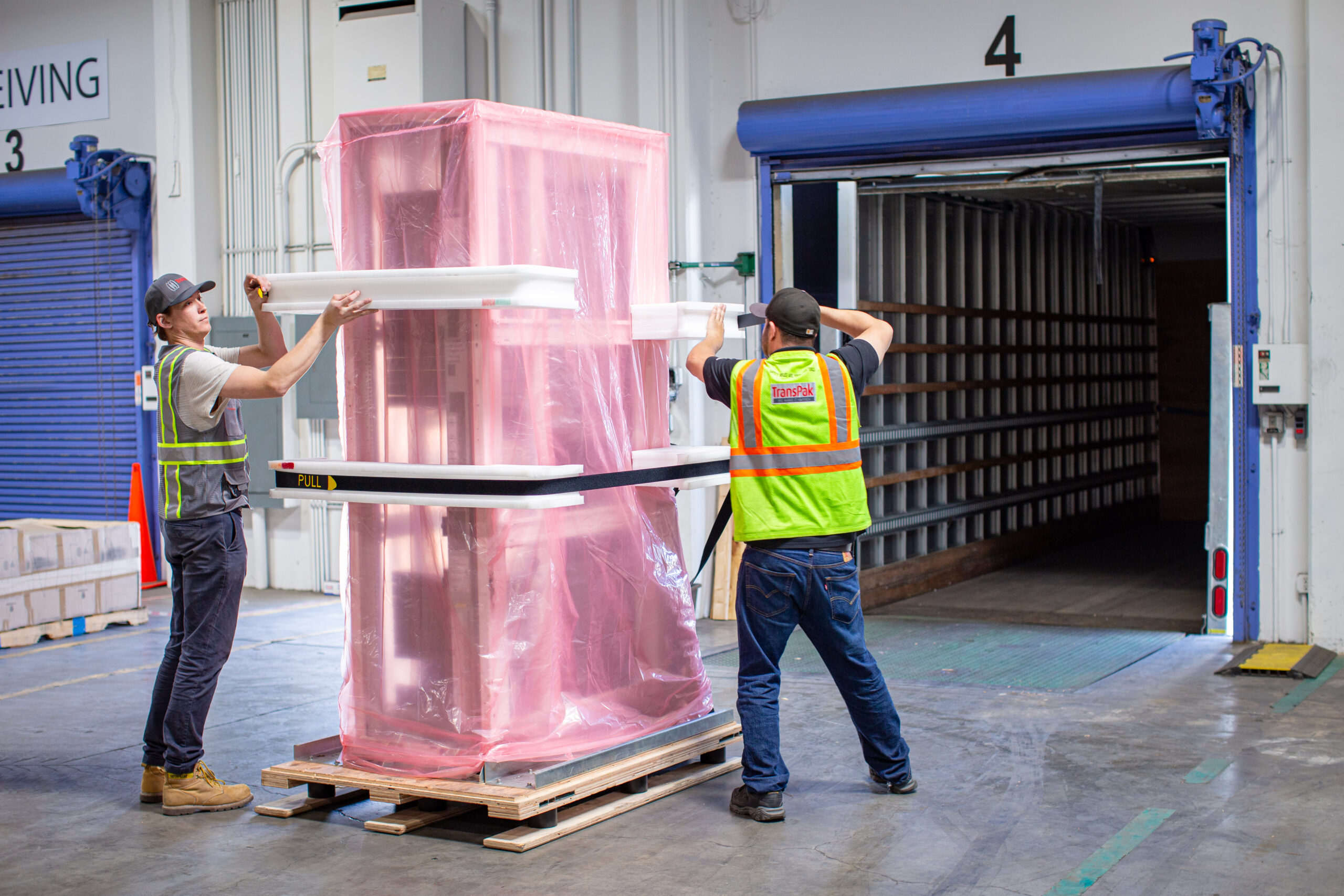
Expanding a data center involves more than installing additional equipment. Heavy server racks must reach their destination in suitable condition, with every component ready for installation. The process starts well before a delivery vehicle arrives. Teams need to prepare the equipment, arrange suitable transport, and agree on delivery times. A gudang server provides an organised space for preparing racks before dispatch, helping teams keep equipment ready for a smooth delivery.
Preparing Racks Before Dispatch
A rack may look ready for movement, but a closer inspection can reveal loose panels or unsecured components. Staff should check each unit before it leaves storage. Removable parts need separate protection, while exposed areas should be covered.
It also helps to record the rack dimensions and weight. These details guide the loading team when selecting lifting equipment. Clear labels make identification easier once the equipment reaches its destination.
Arranging Suitable Transport Equipment
Moving heavy racks requires equipment that can support their weight without putting pressure on delicate components. The transport vehicle must provide enough room for secure placement. Loading tools should suit the rack dimensions rather than relying on a standard arrangement.
Before the vehicle arrives, the team can confirm a few practical details:
- Check the total weight before assigning transport equipment.
- Secure racks with restraints suited to their structure.
- Keep suitable lifting tools ready for loading.
- Confirm access space at both delivery points.
- Give handlers clear instructions for moving each unit.
Protecting Sensitive Server Components
Server racks often contain valuable equipment that needs careful handling. Strong outer packaging helps protect surfaces from scratches, while suitable cushioning reduces movement during transit. Covers can also keep dust away from exposed components.
Protection should remain in place until the equipment reaches its assigned area. Staff can check the packaging before loading and again after unloading. If a rack needs special handling, the instructions should be easy for every worker to find.
Coordinating Large Equipment Deliveries
A large expansion may involve several deliveries spread across different days. Sending every rack at once can create congestion when the installation area is not ready. A shared schedule gives suppliers and receiving teams a clearer view of what needs to arrive.
The schedule should reflect the order of installation. For example, racks needed first can be arranged for earlier delivery. Staff can also record arrival times and update the project team when plans change. This keeps equipment movement connected to the actual progress of the work.
Preparing Installation Areas Properly
The receiving area needs enough room for unloading and temporary storage. Floor capacity matters when heavy racks are moved alongside lifting equipment. Workers should also check that access routes remain clear before a delivery vehicle arrives.
A well-organised gudang server helps staff keep equipment separated and easy to identify. Placement instructions should be available before unloading starts. When the receiving team knows where each rack belongs, workers can move it into position without repeated handling.
Maintaining Clear Project Coordination
Even a carefully planned delivery can become difficult when responsibilities are unclear. One team may be waiting for equipment while another assumes it has already arrived. A shared record helps prevent these gaps.
Project managers can assign a contact person for each delivery. Staff should record the condition of every rack after arrival and report any changes to the installation schedule. These simple records give the team a clearer picture of progress.
A few useful practices can support the work:
- Record rack condition immediately after each delivery.
- Confirm installation readiness before arranging further dispatch.
- Share schedule changes with everyone involved.
- Keep placement instructions available near receiving areas.
- Review handling procedures after each completed movement.
Large data center expansion requires careful coordination rather than complicated procedures. When equipment is prepared properly and delivery plans match installation needs, teams can manage heavy racks with greater confidence. Clear records also help identify what has arrived and what remains to be installed. These habits support steady progress while keeping valuable equipment organised and ready for use.
